
Species Records
SINCs
Open Space Records
GiGL SLA Partners
Client Data Search Reports
last updated 06.01.2026
Explore the New SINC Resource Hub for London!

Our Services

Data Stewardship
We are data custodians. We digitise records, ensure their high quality and safe storage, and make them available for active use. We also provide mapping tools and tools for data collection; survey forms, recording spreadsheets and more.

Data & Insight
We use data to uncover the truth about the world around us. From quantitative facts about recorded wildlife and green infrastructure, to audits of available data, to gap analysis and green infrastructure modelling, statistics & analysis.

Visualisation
Charts, graphics, maps and infographics. Our visual tools are used by consultants, partners, the media and the arts for any number of purposes. Map data or tell a bigger story with visualisations and infographics.

Advice & Consultancy
We provide expert advice, signposting and advocacy as well as partnership and collaborative working. We help identify and demonstrate priorities for public policy and aid policy compliance; as well as providing a wide range of training, mentoring and academic support for our community.
Access Data

Get a Data Search Report
Ecological consultants: access comprehensive biodiversity and open space information.

Explore Our Data Online
Explore selected GiGL data via our online interactive map.
Wildlife Recording
GiGL hosts a range of species submission forms and can assist with recording resources and training.

Submit One-off Records
GiGL’s go-to recording form for 1-20 records.

Dragonfly Detectives
Head to London Wildlife Trust’s website to find out more.

Water Vole Recovery Programme
Find out more about this multi-partner project.

Staggering Gains
Head to London Wildlife Trust’s website to find out more.

London Deer Survey
Find out more: London Wildlife Trust’s Deer Survey

Owl Prowl
Head to London Wildlife Trust’s website to find out more.
Latest News

Introducing GiGL’s new POSAoD maps
In June 2021, GiGL’s Database Officer Amy introduced you to the updates we’ve been making to our Areas of Deficiency (AoD) models, starting wit...
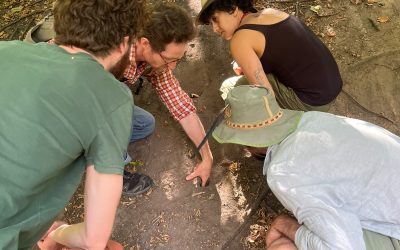
A Gathering Around a Small Mound of Dirt: An Intro to the London Wildlife Tracking Group
The London Wildlife Tracking Group is open to anyone who is interested in learning the art of tracking, to meet people and spend more time out in o...
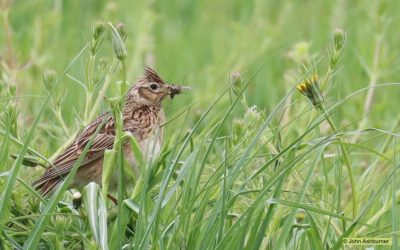
Ambassadors for Ecological Evidence
While the London Plan consultation process is over, the issues raised remain just as relevant. The final London Plan is still being shaped, but the...
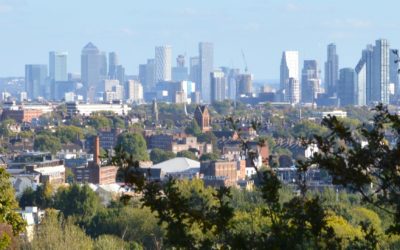
Helping Shape a Better London Plan for Nature
The new London Plan will shape the city’s future, but are planning decisions being informed by the best available ecological evidence? Our ne...
Get Lesnes Abbey Savvy!
Become a community scientist or add to your repertoire of records and collect some data to add to the form. The records you collect and share with ...
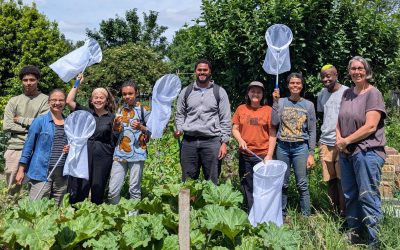
Big City Bug Hunt reveals the biodiversity thriving in London’s community food growing spaces
Can you believe more than 82 community food growing groups have been mobilised to record over 1,714 species across London’s community farms, orch...
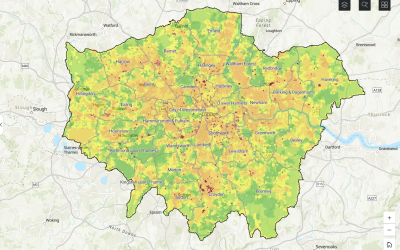
Locating Opportunities for New Green Space with Afield Environmental
Afield Environmental is a new grant-giving charity responding to environmental injustice. The first open call for Nature Communities grants will la...

Mapping a Biodiversity Baseline for a Cultural Quarter: GiGL’s Partnership with South Ken ZEN+
Our year-long partnership brought together ecological records, habitat information, green infrastructure and climate data to create a suite of acce...

Helping Deliver a Cleaner, Healthier Future for London’s Waterways
GiGL has helped shape the development of the Mayor of London’s ambitious Clean Rivers and Waterways Plan, which was launched this month, detailin...

Summer Editorial – Issue 39
Welcome to the summer round-up from the GiGLer newsletter, where we look back at the events, projects, and stories that have shaped the first half ...

Big City Bug Hunt
Are you Critter Curious? Since last summer Capital Growth, London’s largest food growing network and GiGL have developed a simple, iNaturalist-ba...

London Day of Nature 2026
It was a sunny spring morning on Saturday 9th May as the GiGL team arrived at Camley Street Natural Park to prepare for London Day of Nature 2026. ...

The Ancient Woodland Inventory Update Project
From 2021 to 2024, GiGL led a research project to improve the accuracy of records of London’s ancient woodlands, helping to ensure these national...
Subscribe to the GiGL Newsletter
Find your way