
What is a SINC?
Sites of Importance for Nature Conservation (SINCs)…
Sites of Importance for Nature Conservation, or SINCs, are London’s most valuable spaces for nature. Found across London, from small inner-city gardens to chalk downlands in the capital’s greenbelt, they form a critical network for wildlife supporting London’s rarest species and most valuable habitats. They’re critical for people too, not only enhancing our experience of nature but also helping to make London a more pleasant place to live.
SINCs are identified through the planning system and afforded protection from development or incompatible land uses. The SINC system is designed to be inclusive, flexible, and represent what matters locally, capturing sites that may be overlooked by national designation systems. They form the core of London’s ecological network and the city’s Local Nature Recovery Strategy.
London’s SINC system was the first of its kind in England, paving the way in the 1980s for the Local Wildlife Sites system we see across the country today. This demonstrates the passion, innovation and leadership in the sector here in London, both back then and still today.
Sites of Metropolitan Importance are strategically important sites containing the best or rarest assemblages of habitats and species in London.
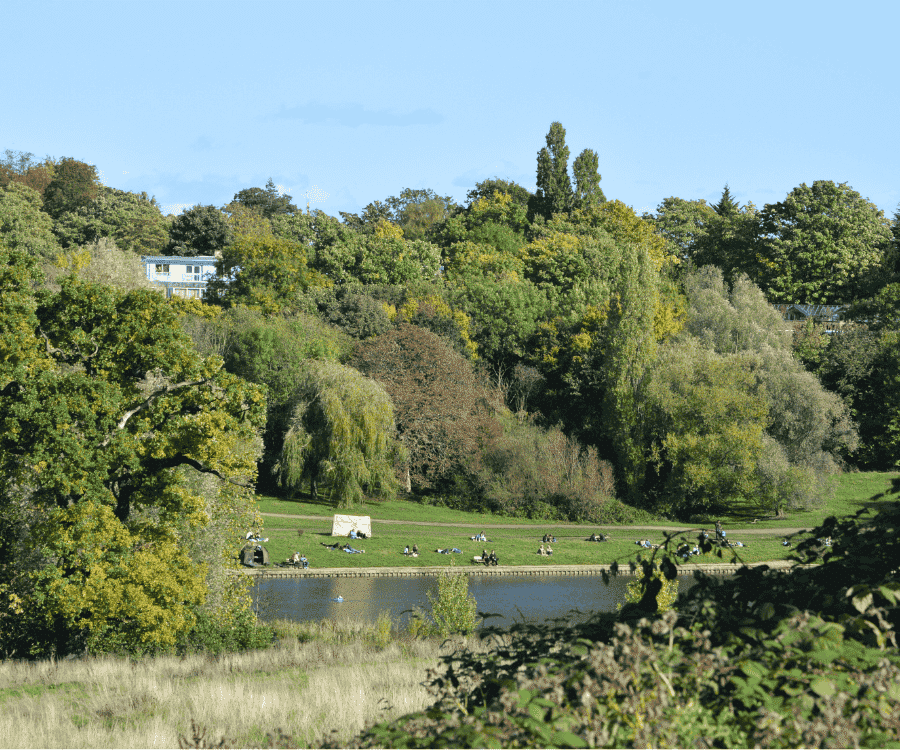
Example: Hampstead Heath, Camden
Sites of Borough Importance support habitats or species of value at the borough level. Damage or loss to these sites would mean a substantial loss to the borough.

Example: Lilly’s Wood and Black Bush Wood, Bromley
Sites of Local Importance support wildlife at ward level and contribute to wider habitat connectivity of the SINC network across boroughs and London as a whole.
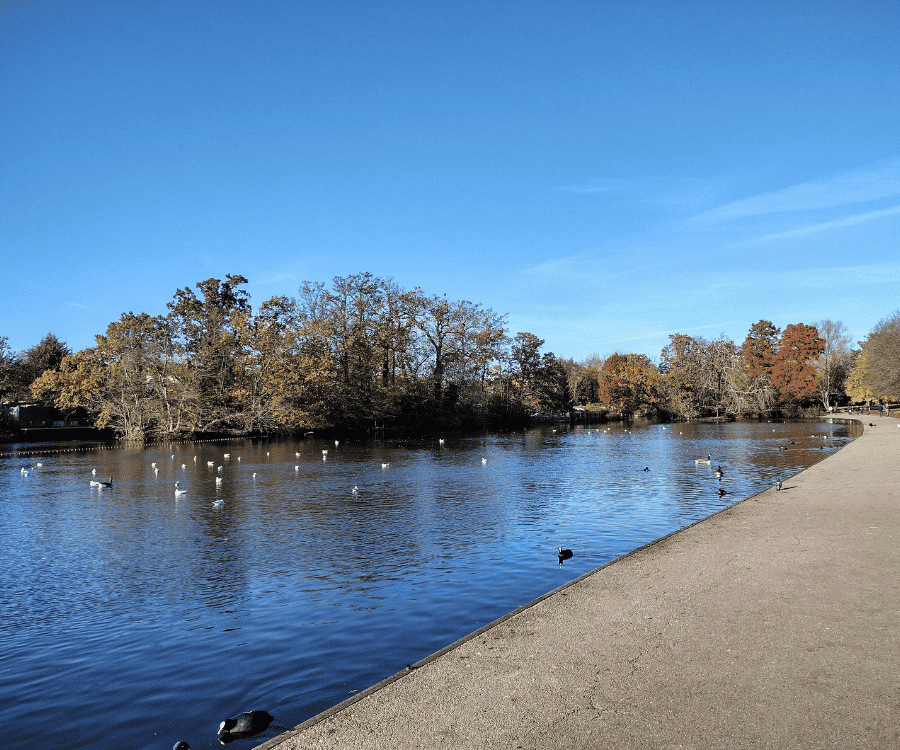
Example: Raphael Park, Havering
Key Figures
Total SINCs
31,804 hectares
19.94 % of Greater London
Metropolitan SINCs
16,457 hectares
10.32 % of Greater London
Borough SINCs
13,400 hectares
8.40 % of Greater London
Local SINCs
1,947 hectares
1.22 % of Greater London
Other land designations may also be relevant to those seeking to manage and protect London’s spaces and are detailed in the Resource Hub Glossary. While SINCs are non-statutory sites, they receive significant protection within the planning system. These other designations sometimes overlap spatially with SINCs, offering greater or additional consideration in development planning.
The London SINC Resource Hub
The SINC Resource Hub is designed to serve both professionals working within the SINC system in London, and those eager to learn more. It brings together essential resources – including strategies, guidance, articles, and timelines – collated or created to address the needs and questions of both experts and the public.
Head to the resources best tailored to you using the buttons below.

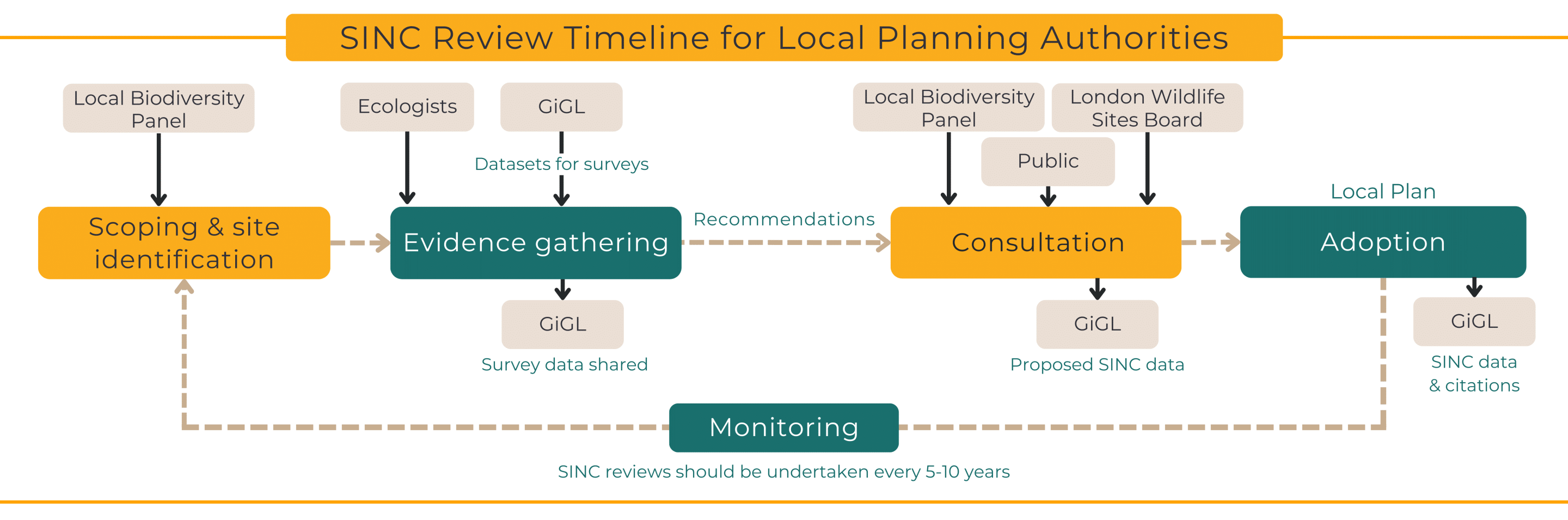
I work for a Local Authority...
Follow this link if you are looking to carry out a SINC review or find out more about how the designation process fits with Local Plans.
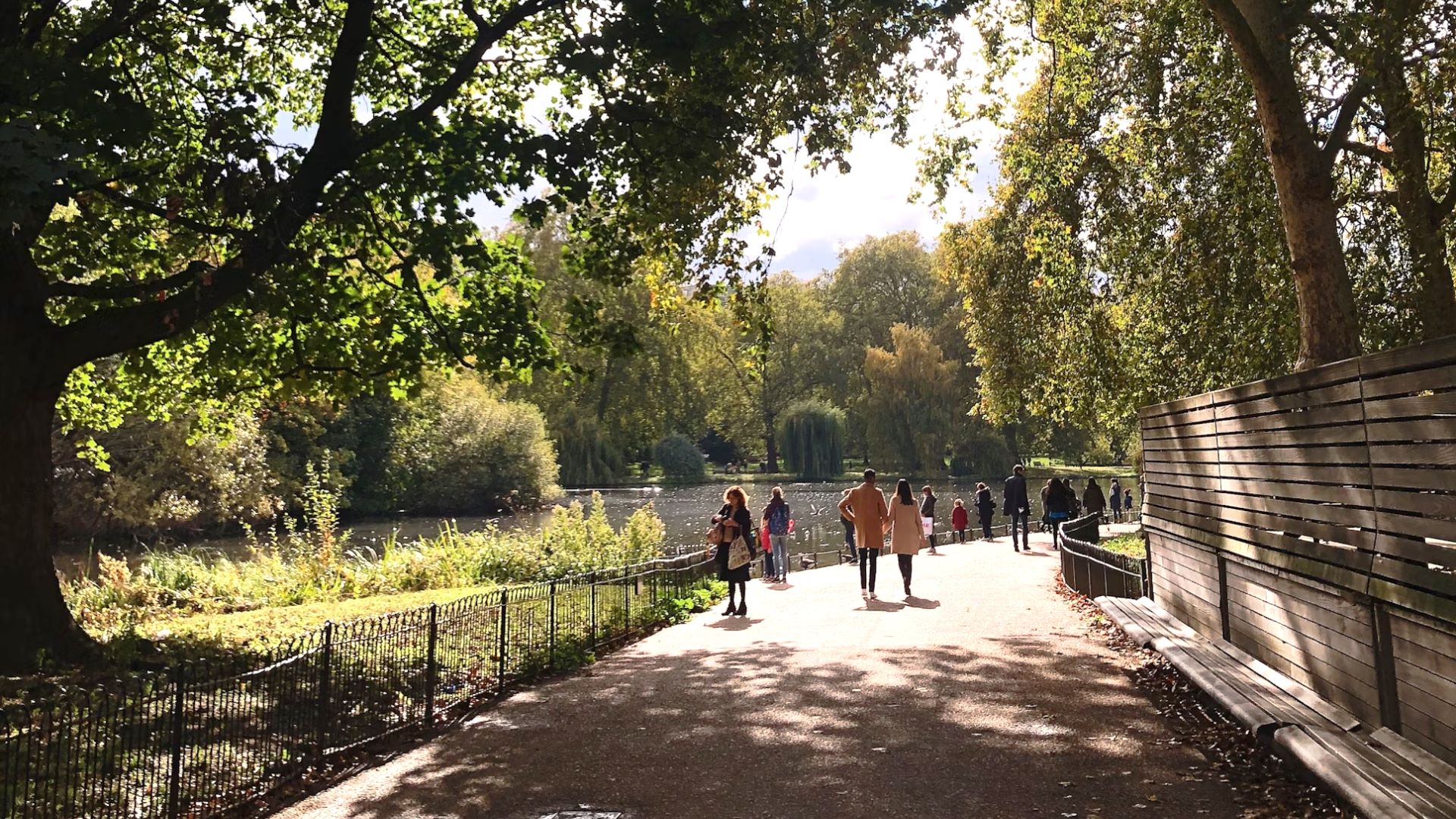
I'm an interested member of the community...
Follow this link if you are a community group or a member of the public looking to learn more and see where you fit in.
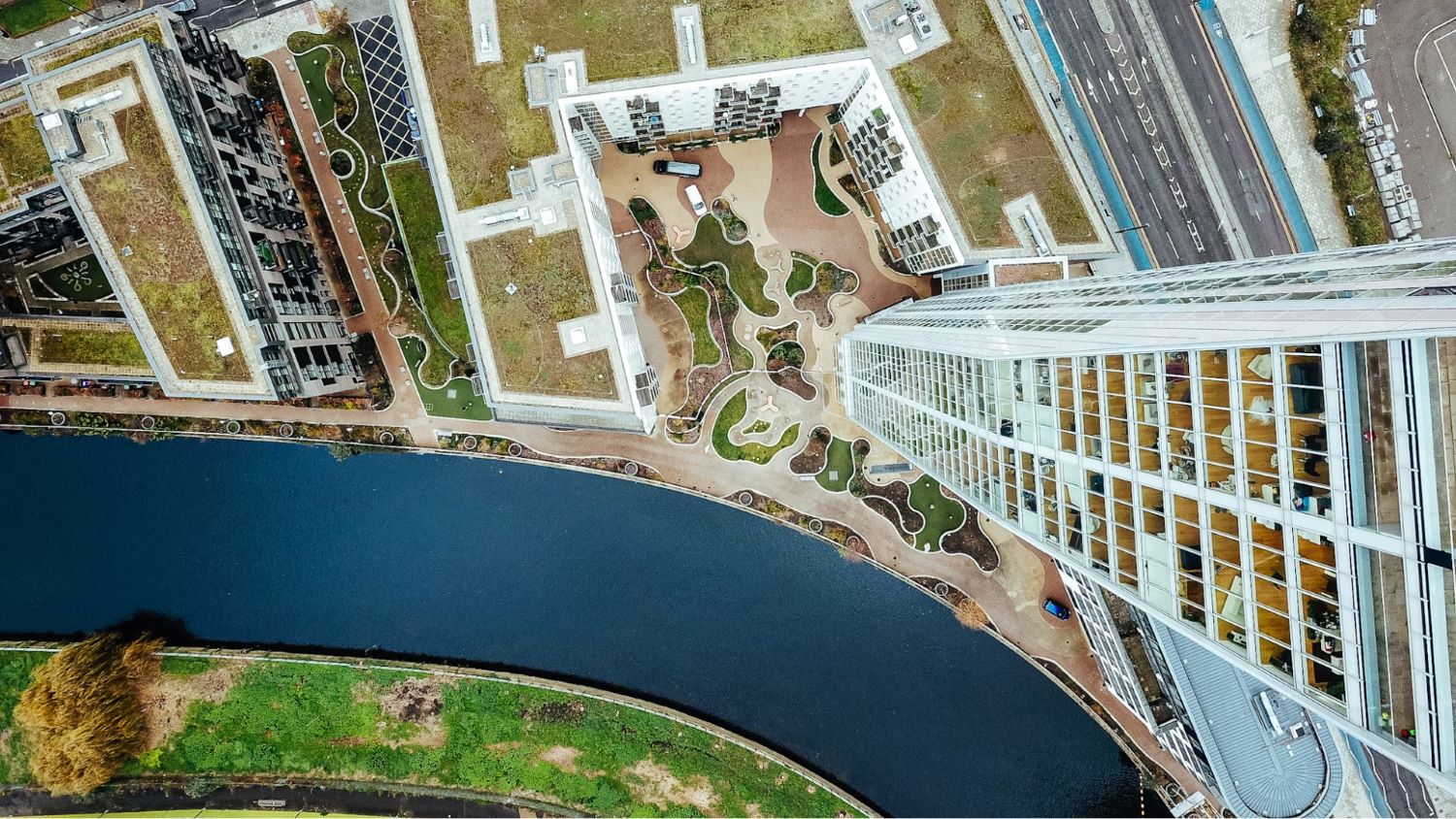
I'm a developer or a consultant to a developer...
Follow this link for policy and regulatory compliance guidance if you’re involved with planning a project near a SINC.
Glossary
Explore key terms, acronyms, other land designations, and policies commonly referenced on the Hub, with clear explanations for quick understanding.
General resources for SINC management
Visit this page for an overview of organisations that manage SINCs and support their conservation. Discover key resources to aid SINC management.
I want to access SINC data...

GiGL is the official custodian of information on London’s SINCs, as well as their detailed citations and boundary information. Many of our products and services rely on this core dataset. We are constantly working with our partners to help them update and maintain the accuracy of this important collection of data.
SINC designations and their associated policies can also be viewed in Local Plan documents, such as policy maps, published by Local Planning Authorities.
Discover London’s Publicly Accessible SINCs:
Below is a map of all publicly accessible SINCs, please note this is not a comprehensive map of the SINC network. To access further information, please visit the ‘Access SINC Data’ webpage above.
Resource Hub last updated: March 2026.