
Managed by Thames Water as a nature reserve with restricted access, this site is part of the South-West London Waterbodies Special Protection Area (EU Birds Directive). Kempton Waterworks has also been designated as a wetland of international importance under the Ramsar Convention and part of the site is a Site of Special Scientific Interest.Access to the site is strictly controlled. There are between four and six open days per year, advertised in the local press as well as on Thames Water’s web site (see link). Otherwise only members of the Kempton Nature Reserve group run by Thames Water are able to visit (for details see the link or contact the warden on 020 8622 6563).
Local Wildlife Site
Accessible Sites of Importance for Nature Conservation
Kempton Waterworks
Borough: Hounslow
Grade: Metropolitan
Access: Access at limited times
Area: 47.88 ha
Description
Wildlife
The waterworks are part of an internationally important network of sites in the Thames valley for their wintering waterfowl. Ducks reaching significant numbers in winter here include gadwall, shoveler, teal and mallard. Birds passing on migration have included many rare visitors to the UK, such as spoonbill, black-winged stilt, spotted crake and Temminck's stint. Breeding birds include grey heron, ringed plover, little ringed plover, lapwing, redshank and in 1996, avocet. This was the UK's first successful inland breeding record for this elegant bird, as well as London's first ever.Elsewhere on the site, alder-willow woodland can be found bordering the Portlane Brook. There is also a damp meadow rich in wetland plants, including London's only colony of early marsh-orchids.The site appears important for feeding bats, with at least four species regularly observed feeding here. Palmate newt, grass snake and the specially-protected water vole are also present.Facilities
No information available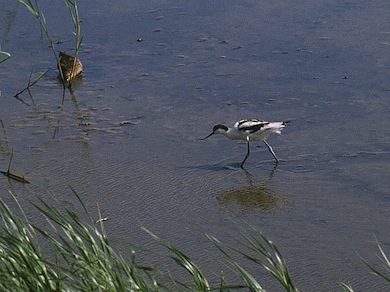
Avocet © Mike Waite
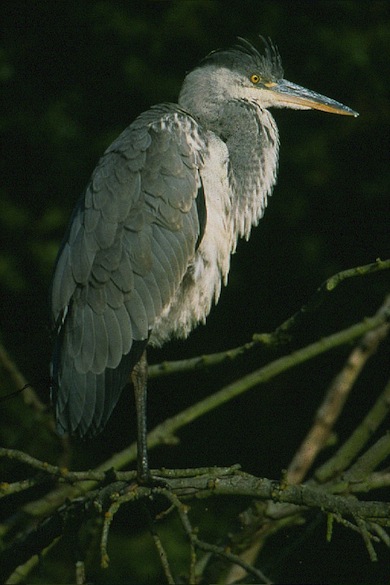
Grey heron © Andy Fisher
Feedback
Have a question or a comment for this site, or notice anything missing or out of date? Please contact us.