Welcome to London Day of Nature 2026

Programme summary
Speaker details
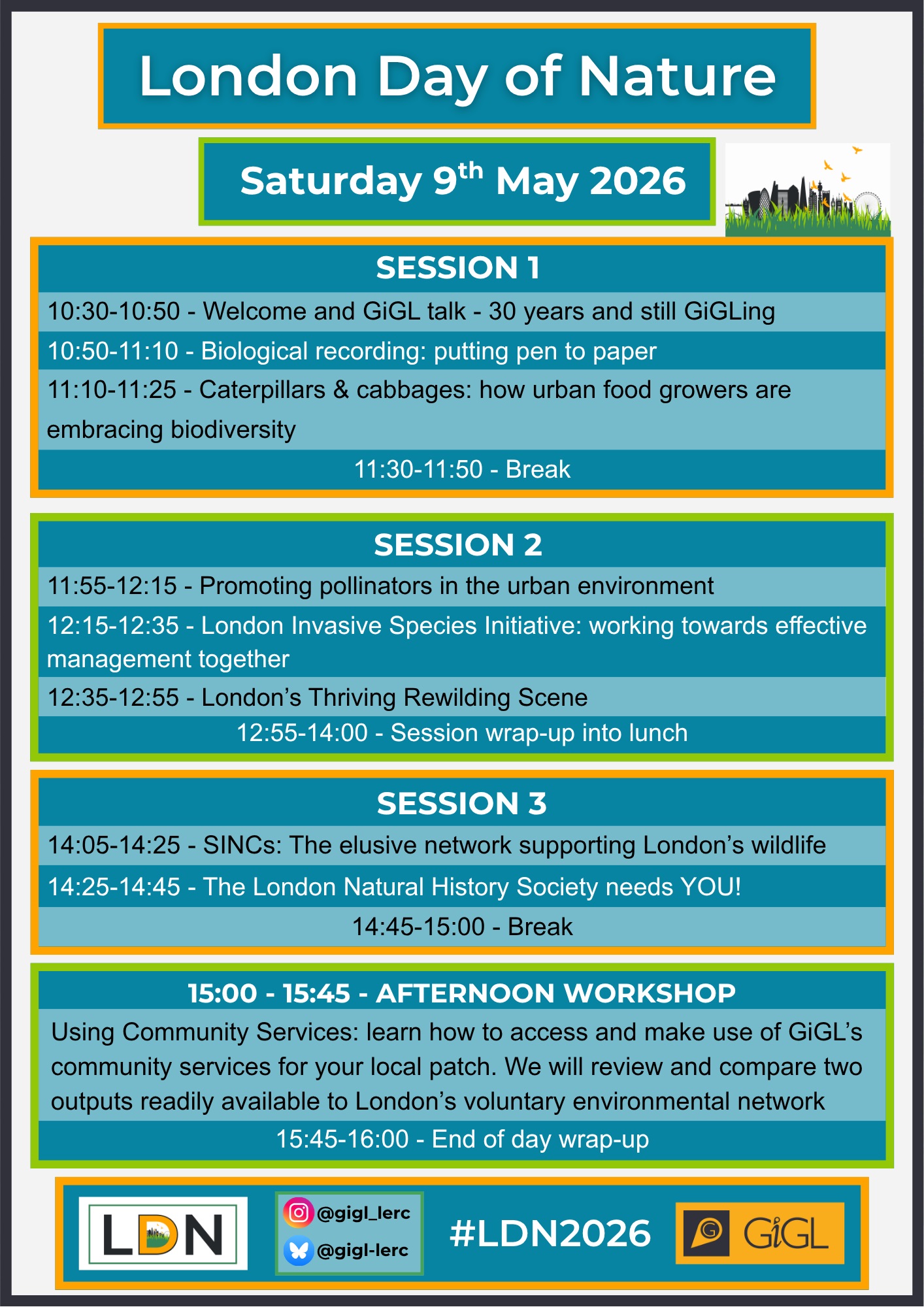
Session 1: 10.30am - 11.30am
30 Years and still GiGLing – Vicky Kleanthous, GiGL. 2026 ushers in the 30th anniversary of the inception of GiGL and the 20th since we have operated as an independent local environmental record centre. To start the day, Vicky will follow a brief history of GiGL, from the antecedent Biological Recording Project in 1996, to achieving CIC status in 2013, to recent highlights since the last London Day of Nature in 2024 and GiGL’s aspirations for the future. Throughout this journey, biological recorders have provided the guidance, knowledge and crucially the records to drive GiGL’s mission that London’s natural environment is appreciated, understood, considered and improved.
Biological Recording – putting pen to paper – Sarah Whild, Retired academic, author of the Biological Recording Handbook, botanist and bug-botherer. Sarah will discuss some of the more controversial areas that were tackled in her new book such as ‘how important is the who’, how important is AI in biological recording and even with the advent of pan-species listing, why are we still so biased in what we record?
Caterpillars & cabbages: how urban food growers are embracing biodiversity – Rachel Dring, Lula Wattam, Capital Growth. This talk takes you inside Capital Growth’s citizen science project, the Big City Bug Hunt, co-created with GiGL. Discover how the project has been empowering food growers to identify and monitor insects in community garden settings, and explore the data collected so far on habitats and species throughout London’s food gardens. The session also shares key lessons on making citizen science accessible and inclusive, because the goal isn’t just to boost biodiversity across the city, but to diversify the people who take part.

Essex skipper © Paul Cass
Session 2: 11.50am - 1.00pm
Pollinating London Together – Heather Barrett-Mold, PLT. Heather will present on the main objective of Pollinating London Together – preventing the decline of pollinators in the City of London and beyond, to help greenspace managers to improve habitats with pollinator friendly planting and space for nesting, while raising awareness through formal and informal education.
LISI Revival – Sarah Lewington, GiGL. The London Invasive Species Initiative (LISI) was created to help address environmental and economic problems caused by invasive species within the Greater London area. Sarah will provide an overview of the London Invasive Species Initiative and the work we are doing to update the list of invasive non-native species of concern to London.
GiGL hosts and is partnered with LISI and acts as a repository for invasive non-native species records. Data on these species are important for London-wide analysis and can provide a broader understanding of INNS. Please send any records to GiGL using our LISI Recording Form
London’s Thriving Rewilding Scene – Elliot Newton, Citizen Zoo. Through their innovative community-focused rewilding projects Citizen Zoo empower people from every walk of life to take meaningful action against nature loss and climate change, creating a wilder future for all. Their work spans a range of species and sites from the Ealing Beaver Project to Wild Tolworth to returning water voles in Kingston. For London Day of Nature they will focus on three new projects at different spatial scales across London: white storks, German hairy snails and the Tower Mustard Project. Highlighting the vital roles of volunteers, the power of partnership work and the very real and measurable ecological and social outcomes we can achieve.

German hairy snail © Gino Brignoli
Session 3: 2.00pm - 2.45pm
SINCs: The elusive network supporting London’s wildlife – Amelia Claridge, Richard Barnes, London Wildlife Trust. Across London, hundreds of Sites of Importance for Nature Conservation quietly support the city’s wildlife, from ancient woodlands and wetlands to small community green spaces. This talk explores how this network developed, why it remains vital for nature in an urban environment, and how it informs planning and land management across the capital. Drawing on recent work led by London Wildlife Trust in partnership with the Greater London Authority and Greenspace Information for Greater London, it will highlight the review of London’s SINC selection criteria and new tools designed to strengthen London’s nature recovery network.
The London Natural History Society needs you! – Tony Madgwick, LNHS. Tony is the newly elected President of the London Natural History Society (LNHS). He is also the LNHS Recorder for bees and wasps.
Tony will give a brief summary of the aims and aspirations of the LNHS, followed by a review of 2025’s notable wildlife records. He will provide an overview of future participatory events, projects and recording initiatives planned for 2026, leaving time for a discussion on future engagement and individual opportunities within the Society.

Crocus © jonsense
Session 4: 3.00pm - 4.00pm
Workshop: Getting the most from GiGL – the whole GiGL Team. The final session of the day is a workshop to learn more about the GiGL community services available for your local patch. In small groups, we will review GiGL’s newest community output, the Community Report.
- GiGL’s Community Report – a short report summarising species recording activity for a site and its surrounding area using GiGL’s species and spatial datasets. The reports are designed to provide a basic overview of the site, highlight recording gaps and demonstrate the contributions of different recorders to a site’s records.
- GiGL’s Standard Data Search Report – a licenced, more comprehensive report providing species and spatial information relevant to planning policy and legislation for London, including protected species and designated areas. The reports are designed for professionals working within the planning sector but can also be accessed by members of the public to aid in the appraisal of a site’s biodiversity value.
There will be an opportunity to feedback on how we can improve our outputs to better meet your needs.

Gatekeeper butterfly © Becky Garden
GiGL Resources
GiGL News
In 2025 GiGL won the prestigious John Sawyer NBN Open Data Award recognising those who make a valuable contribution to open biodiversity data in the UK.
We’re also a social enterprise, committed to making biodiversity data available where it has the greatest environmental and social benefit, providing services for the benefit of people and nature in London. GiGL are members of two national networks, the Association of Local Environmental Records Centres (ALERC), which provides a national voice and standards for Local Environmental Records Centres, and the National Biodiversity Network (NBN), which is a UK partnership enabling the sharing of biodiversity data.
This GiGLer article explains how GiGL engages with national bodies to stay relevant.
The latest Annual Report and GiGL Strategic Plan are available here.
London's Local Nature Recovery Strategy
GiGL is proud to have worked alongside the Greater London Authority (GLA) to help produce our city’s first Local Nature Recovery Strategy (LNRS). We’ve played a central role in ensuring the strategy, which provides a spatial plan for helping nature flourish across the capital, is based on robust evidence alongside community insight and professional expertise. The GiGLer newsletter article details our role in the development of the strategy.
The interactive storymap explains how GiGL can help support nature recovery in Greater London.
SINC Resource Hub
The SINC Resource Hub is designed to serve both professionals working within the SINC system in London, and those eager to learn more. It brings together essential resources – including strategies, guidance, articles, and timelines – collated or created to address the needs and questions of both experts and the public.
London Green Actions Map
GiGL have launched the ‘Connecting London’s Green Actions’ map to help members of London’s Ecological Network to share the specific knowledge, skills and resources needed to expand, improve and monitor natural corridors across the city. Add your activities onto the map to find new volunteers, discover your new favourite pocket of nature or link with like-minded groups.
The GiGLer newsletter article explains the origins of the map from the last London Day of Nature!
Recording Resources
There are a myriad of recording apps (RAs) available to novice and expert species recorders. A series of GiGLer articles aims to help recorders navigate the options available.
iNaturalist: Nature’s Social Network
Recording Apps: let’s get specific
A helpful comparison table is available here.
If you would rather share records directly with GiGL then please use the online form or downloadable GiGL recording spreadsheets accessed via GiGL recording forms, or get in touch with GiGL directly.

GiGL were awarded the John Sawyer NBN Open Data Award in 2025
LWT webforms
Other useful links
Stalls
London Geodiversity Partnership
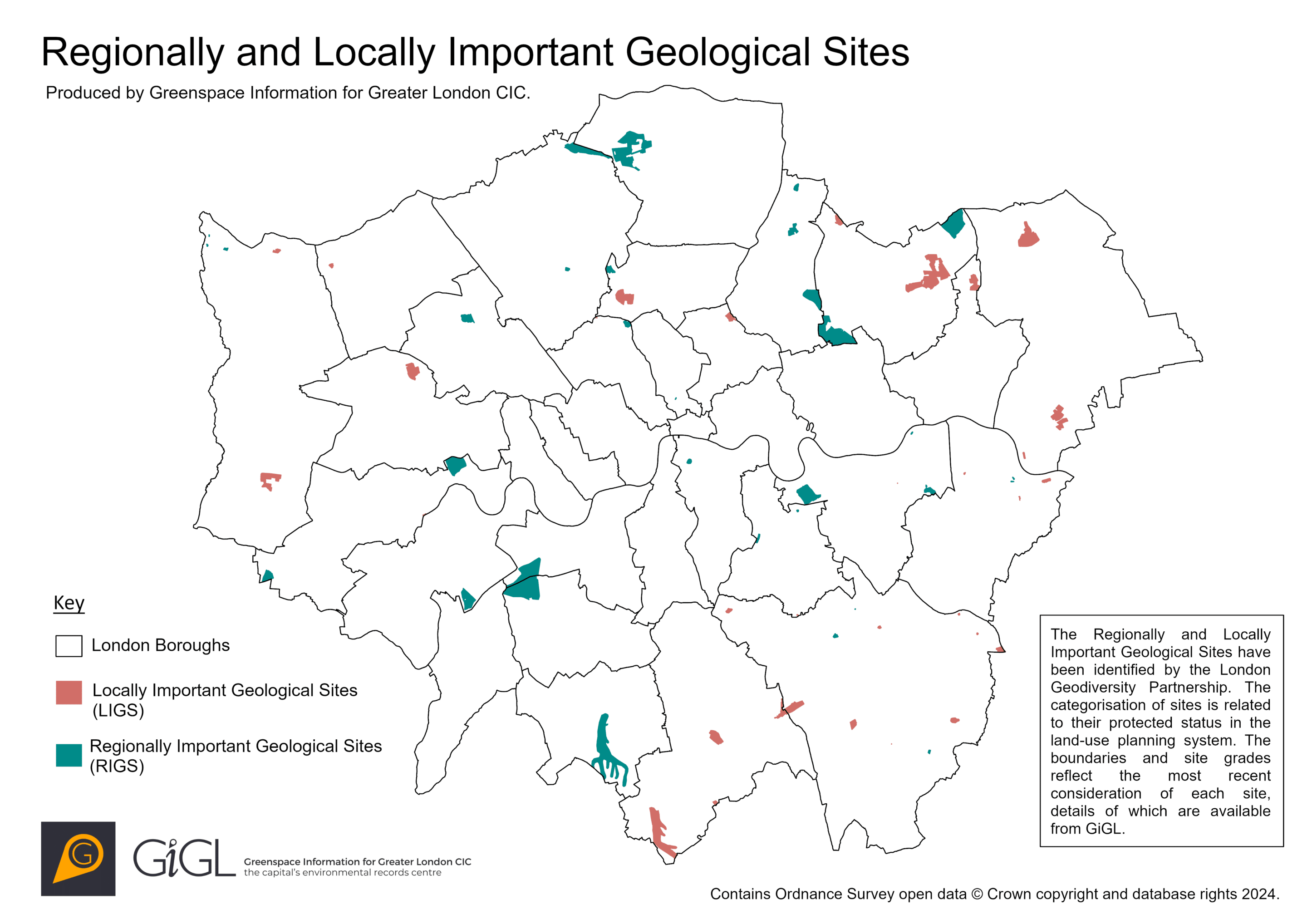
Founded in 2008, the London Geodiversity Partnership seeks to share good practice, influence policy and establish cross-London working for geodiversity. Geodiversity is concerned with the natural and human aspects of landscape, but is primarily focused on the rocks, sediments, soils, the landscape topography and the processes that act on the landscape.
The non-statutory designation of geological sites is one way of recognising and protecting important geodiversity and landscape features for future generations to enjoy. GiGL works with the London Geodiversity Partnership to manage data related to the capital’s geodiversity sites.
Read more about Geodiversity in this fascinating GiGLer article and visit the stall to chat with the experts in person.
Guiseppe Intrieri
Giuseppe is a nature photographer and filmmaker. His photography focuses mainly on nature, landscapes, and animal and plant species, reflecting his background in natural sciences and years of experience as a nature guide. He is also a documentary photographer, capturing stories that may be connected to nature or that tell the tale of places, cities, and human life. Through his images, he aims to bring viewers closer to the world around them.
Giuseppe has a YouTube channel where his wide ranging work can be viewed, including projects from Lesnes Abbey Woods, Hampstead Heath & Epping Forest. He has also written a GiGLer article for us: How communities saved the woods in London, which is not only a great read but also includes some of Giuseppe’s fantastic photos. Visit his stall for a chat and to see some of his work up close.
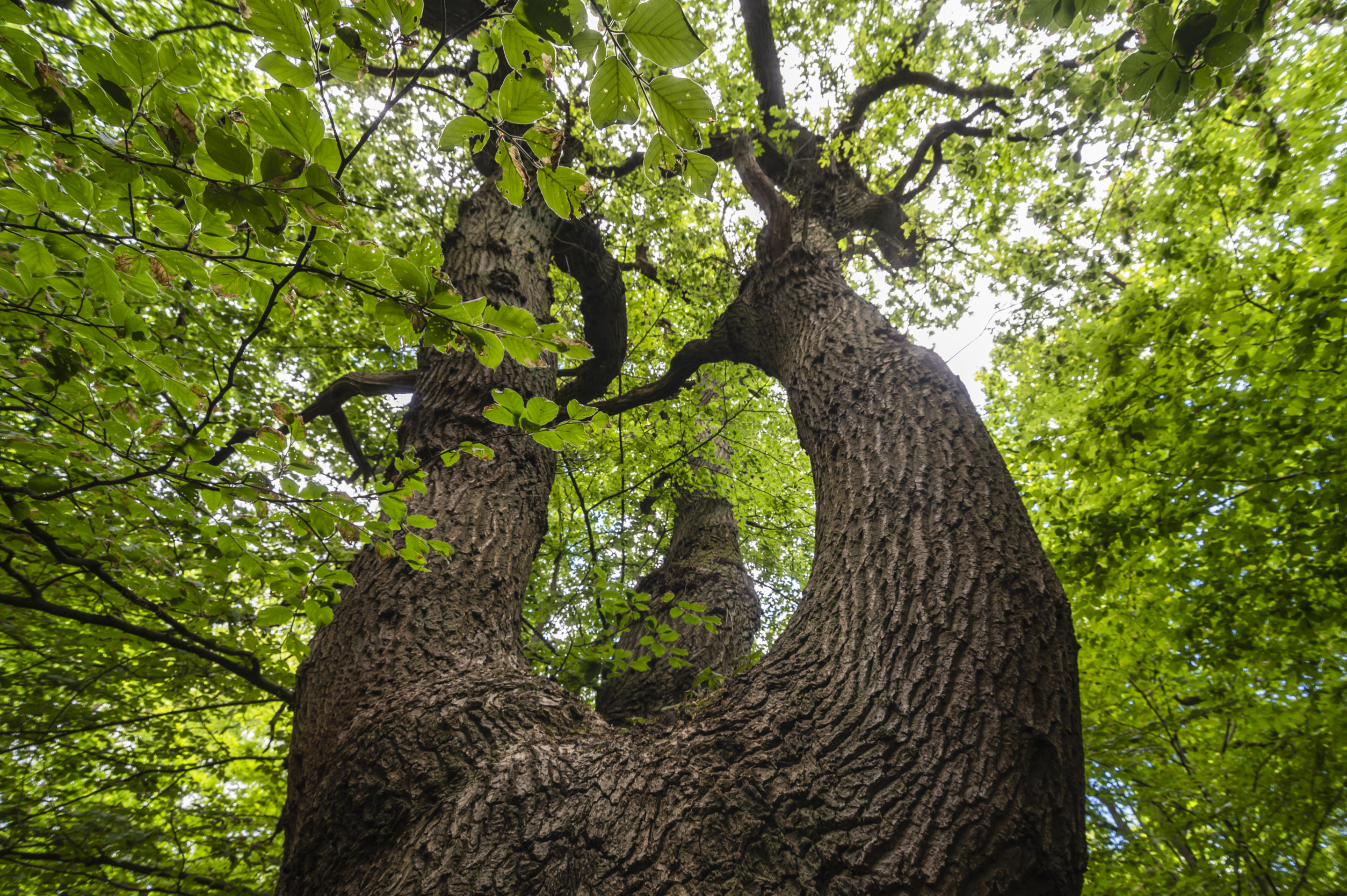
© Giuseppe Intrieri
Posters
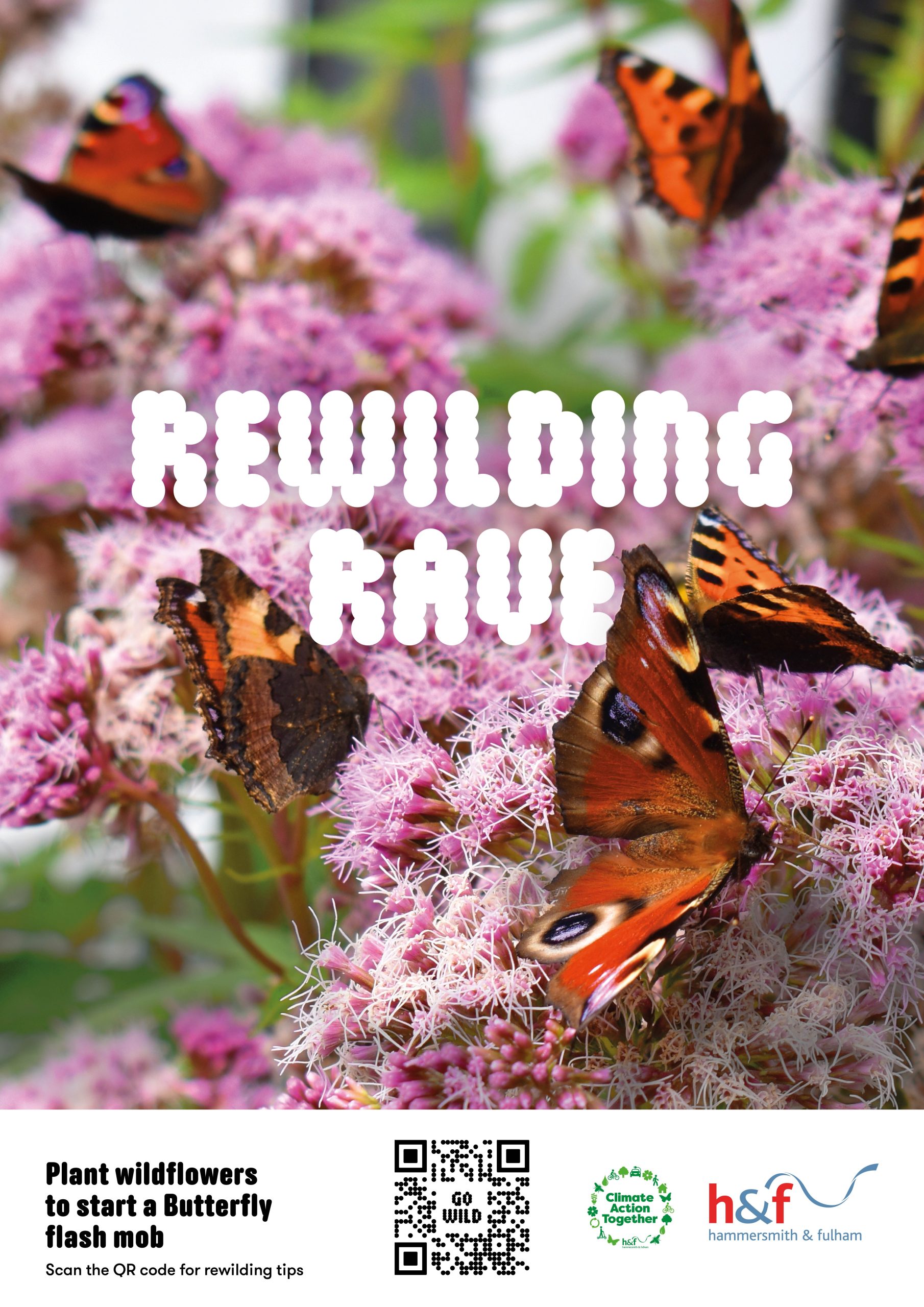
Rewilding Rave
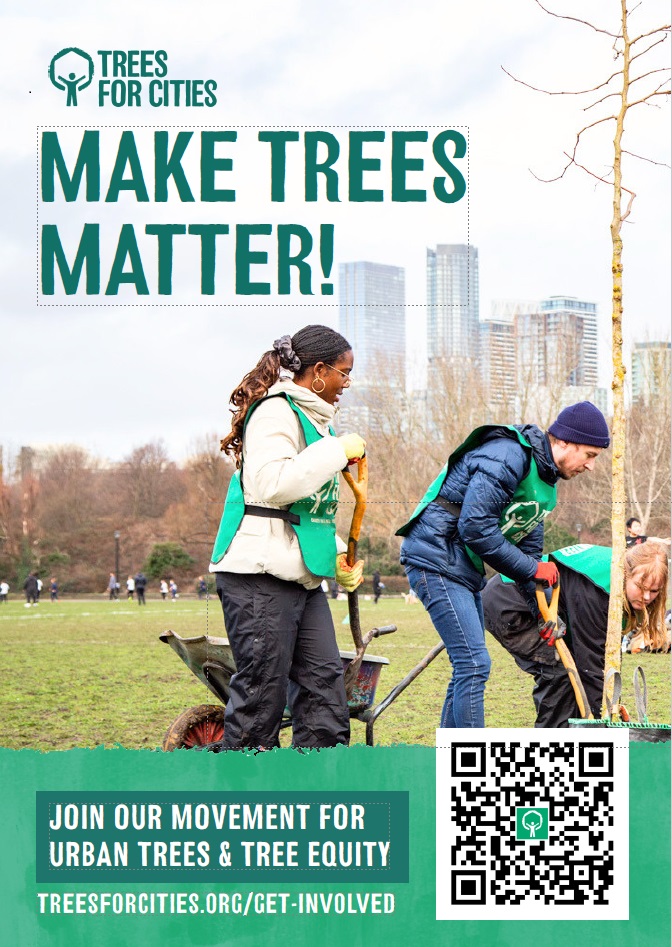
Trees For Cities
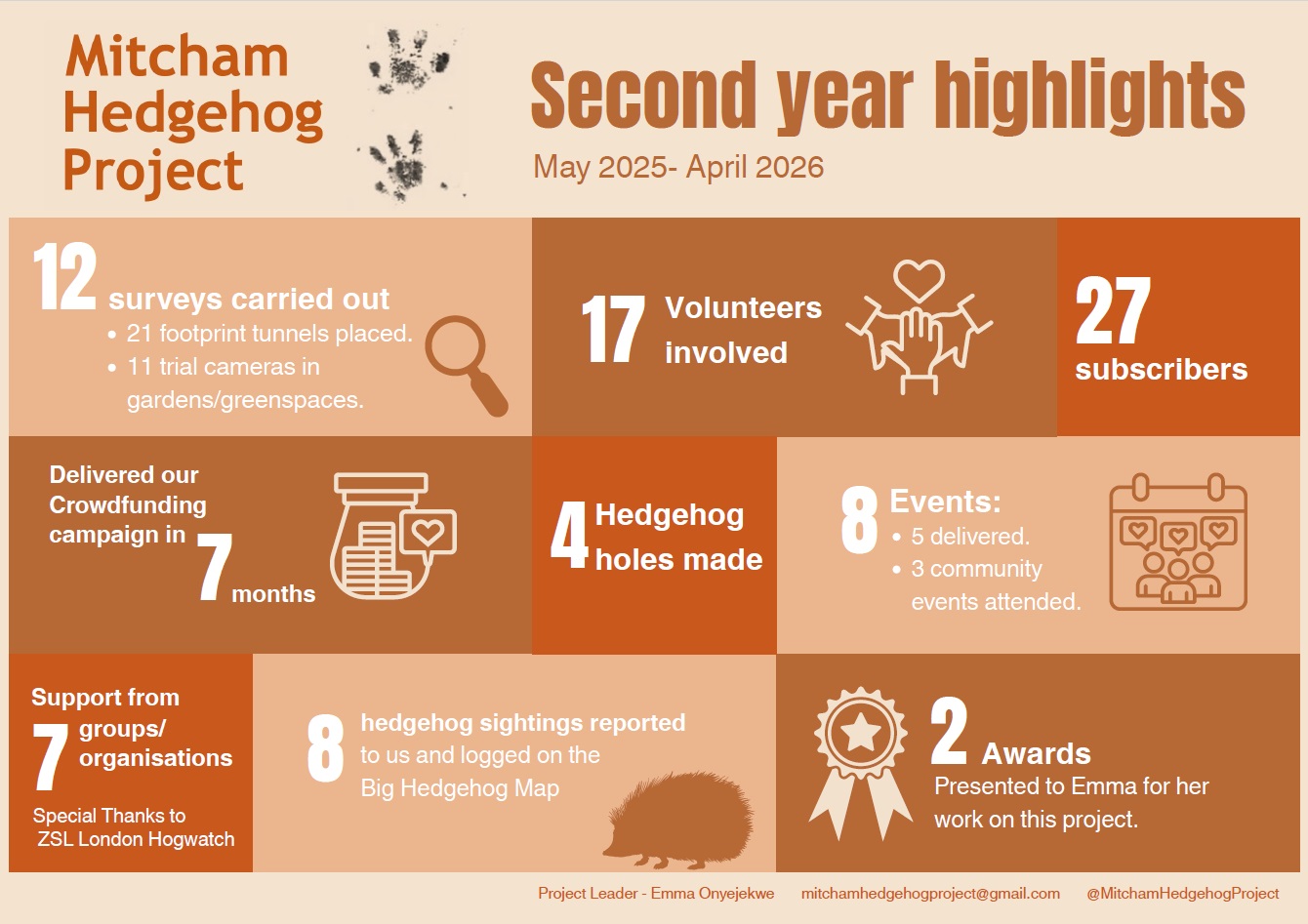
Mitcham Hedgehog Project
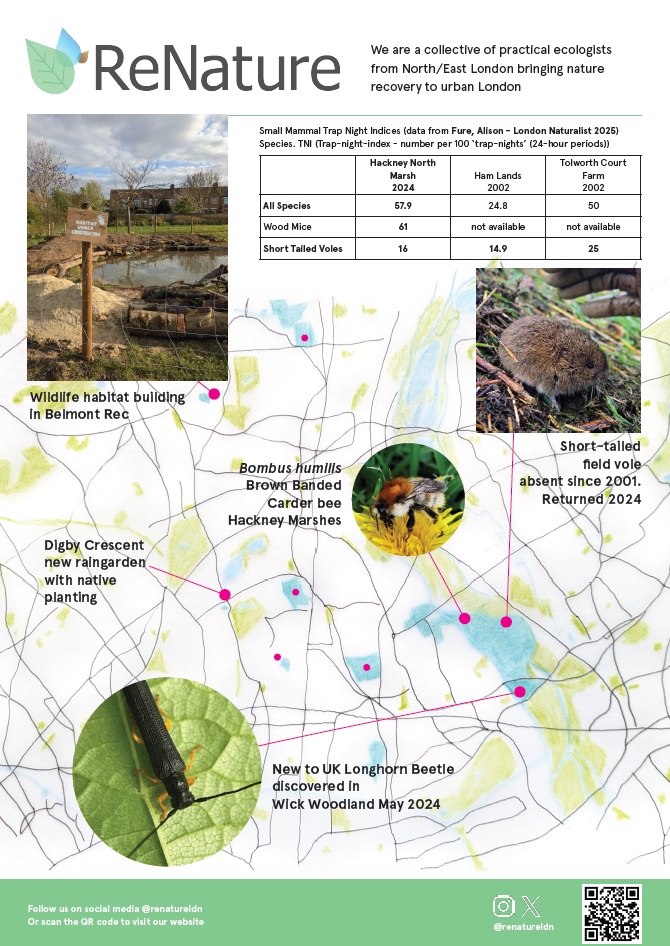
ReNature
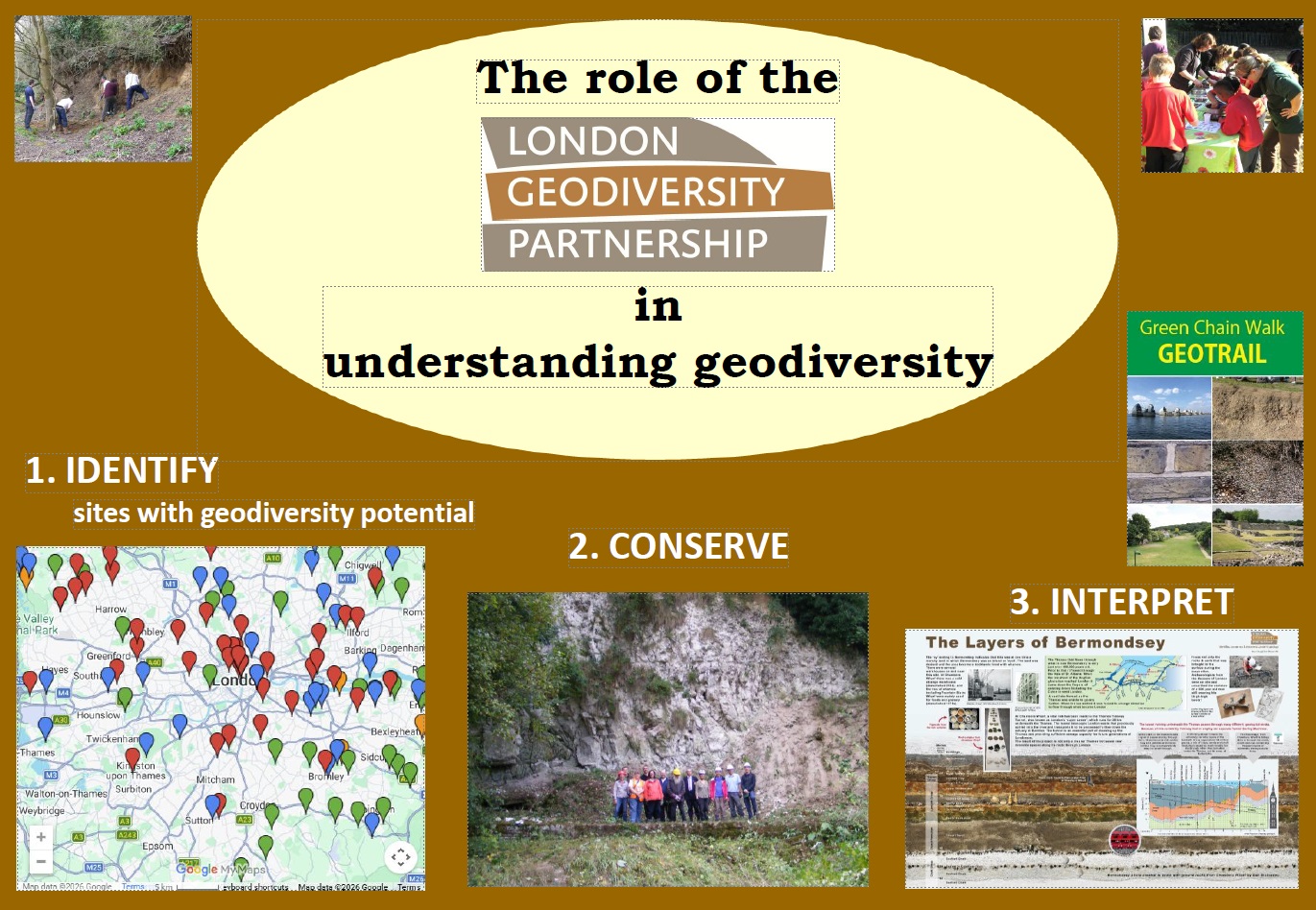
London Geodiversity Partnership
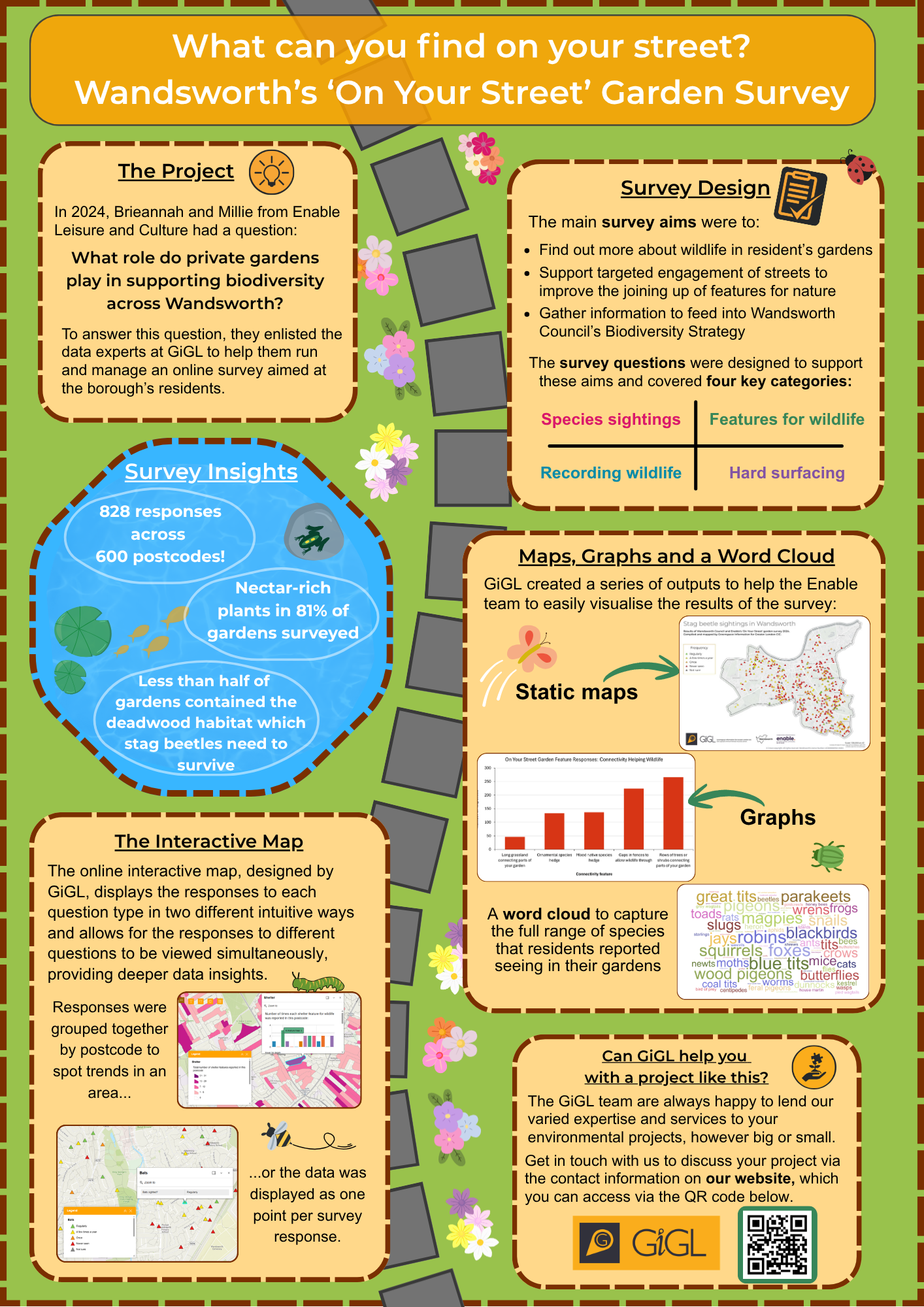
Wandsworth’s ‘On Your Street’ Garden Survey
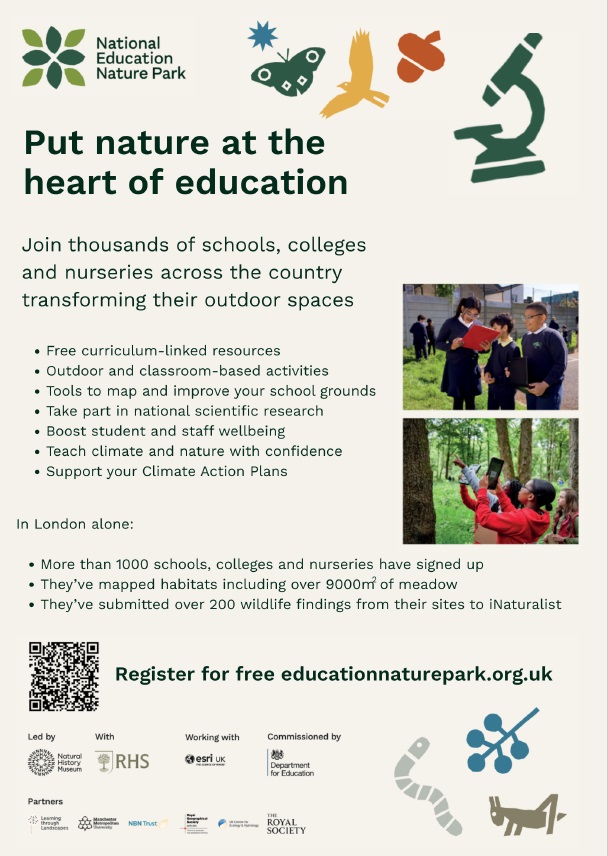
National Education Nature Park