Issue 38

Bridging Gaps for Better Data – Sharing from Development

Bridging Gaps for Better Data – Sharing from Development

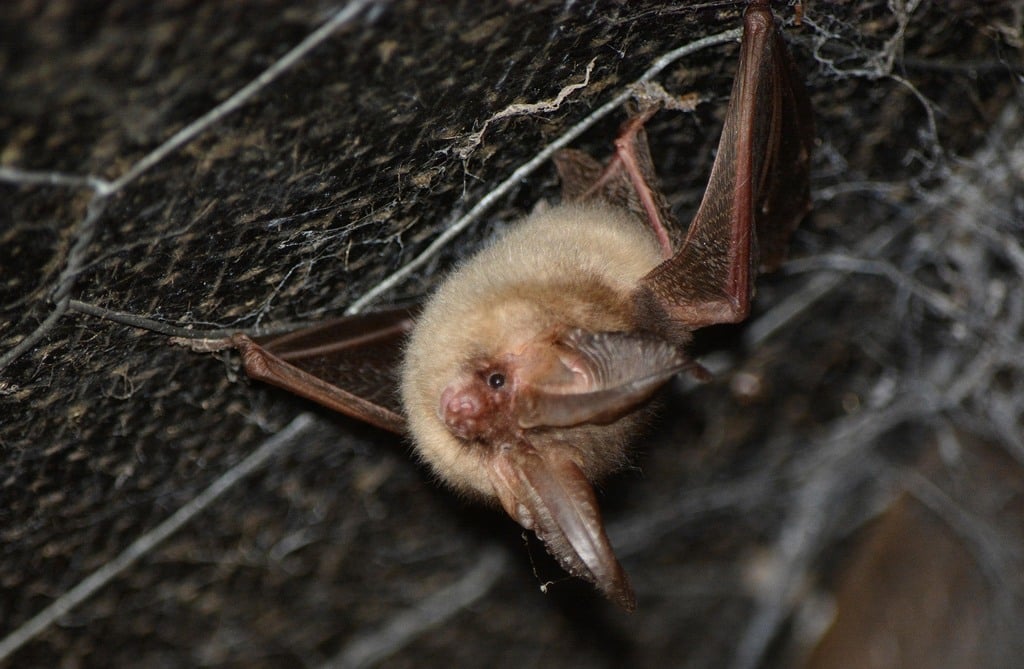
The importance of sharing newly acquired species and habitat data lies with the value of their re-use. These data are usually used once for the particular planning application and then lost in reports within the planning portal. Whereas if they are shared, they can be re-used to enable informed decisions for future projects…

The Use of Data in Tree Selection for the Future

The Use of Data in Tree Selection for the Future

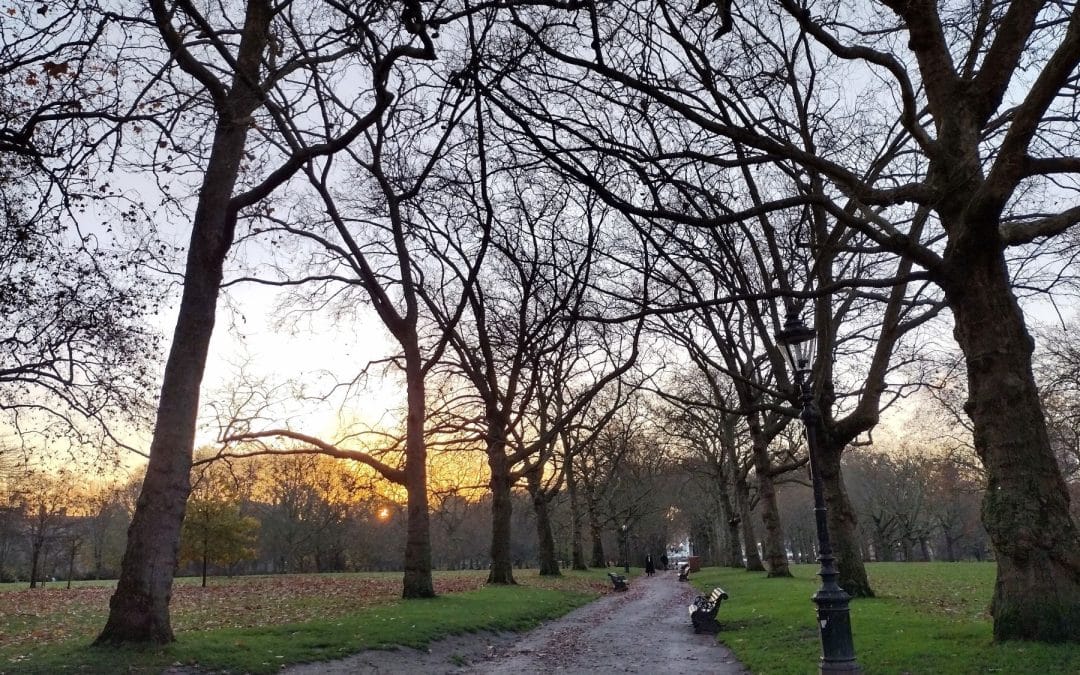
London’s trees are more than just green spaces, they are essential infrastructure. They cool our streets, filter our air, manage stormwater, and provide habitats for countless species. Yet the climate these trees were planted for is changing faster than ever before…

London’s Important Invertebrate Areas

London’s Important Invertebrate Areas

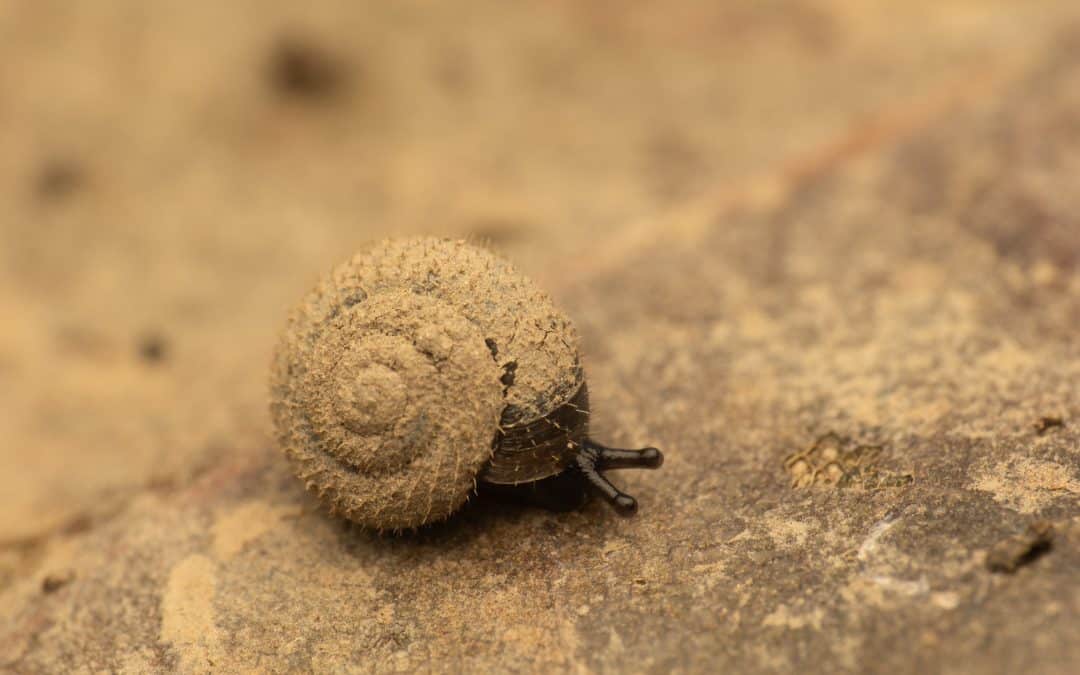
Over the past nine years, Buglife has been busily mapping a network of Important Invertebrate Areas (IIAs) for Great Britain. Each of the 100+ IIAs is home to nationally or internationally important invertebrate populations…

Creating Space for Pollinators in London

Creating Space for Pollinators in London

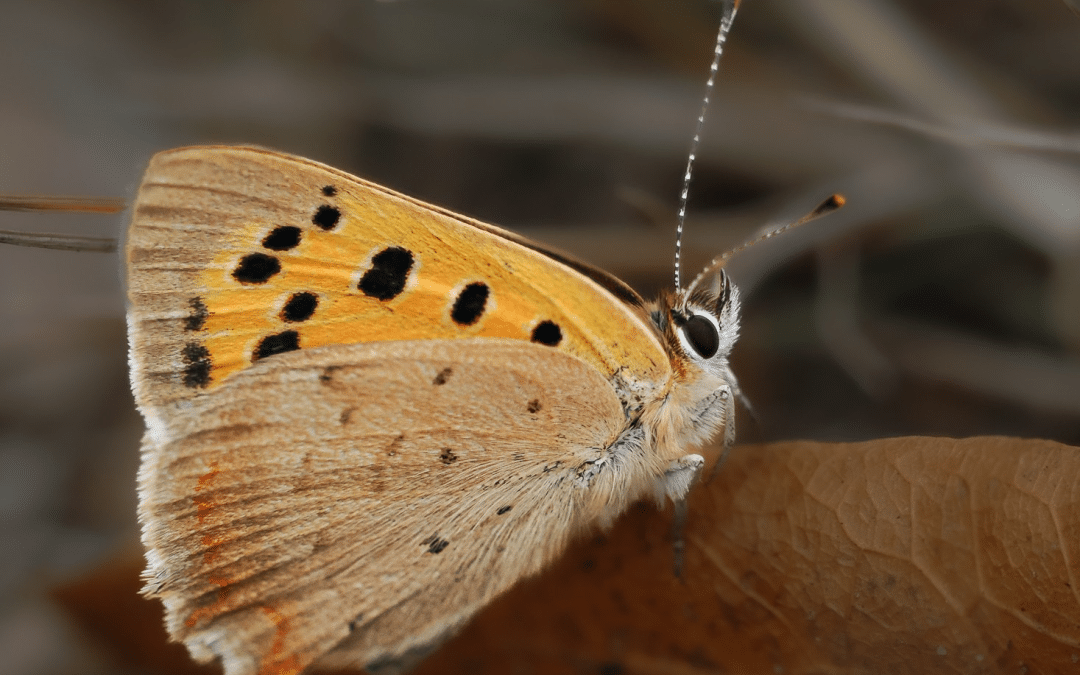
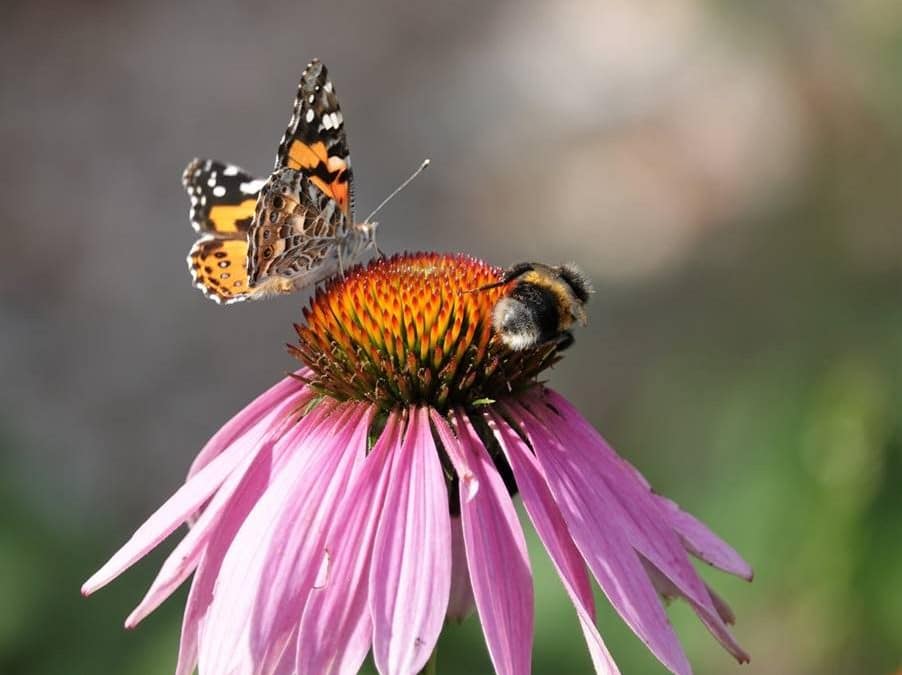
Pollinators thrive when we give them the basics: food, shelter and space. London’s pollinators are resilient, but they need our help. Every patch of green matters. Together, we can make sure the city remains a place where both people and pollinators flourish…

A Staggering Result

A Staggering Result

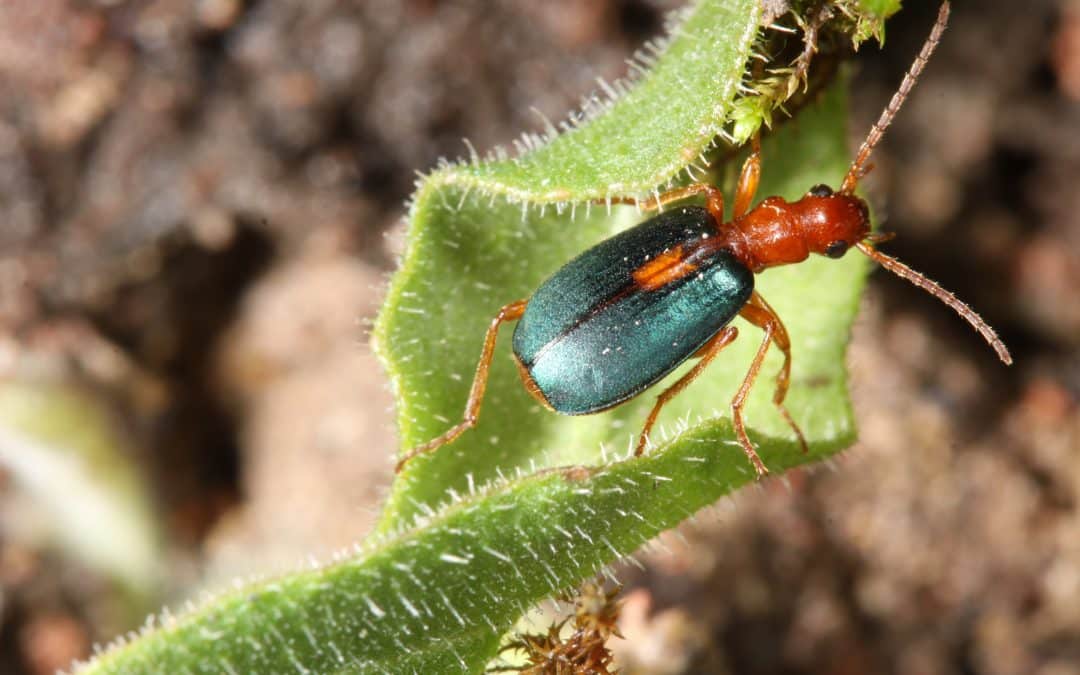
The story of how these marvellous beetles came to represent almost 0.5% of our total species database today spans the history of GiGL, embodies the strong professional and personal bonds that tie GiGL and the Trust together and is testament to Mathew Frith’s commitment to both London’s wildlife and its people…